Independent thinking. Coordinated intelligence.

Building the intelligence that coordinates AI.

Beyond the individual agent. We’re exploring how AI systems delegate, challenge and improve each other’s work.

Conductor-model research. Orchestration software.
AI teammates and practical products.

A system is only as good as its next decision.

The conductor / study 01Diagram view
Goal one clear brief
Worker A read the source
Worker B draft the answer
Conductor
Reviewer challenge the claim
Result return for approval

System view: bounded work, shared direction.

One brief. A better answer.

01 / 05

Interactive illustration — not a live agent run

01 — A goal enters

Write a factual launch note for Solvie One. Use only the public product status; do not imply the desktop app has shipped.

Source

Solvie One is in development. The public waitlist is open.

Read the full illustrative sequence
  1. Goal: Write a factual Solvie One launch note using the public status.
  2. Delegate: Worker A reads the status; Worker B drafts: “Solvie One is available to install today. Join the waitlist.”
  3. Reject: The reviewer rejects “available to install today”: the source supports a waitlist, not a desktop release.
  4. Revise: Remove the unsupported release claim. New draft: “Solvie One is in development. Join the public waitlist.”
  5. Complete: The corrected draft is returned for human approval. Nothing is published or sent.

The point of coordination

Not more agents.
Better judgement between them.

Knowing what to delegate is one problem. Knowing what not to accept is another. We’re building toward systems that make both decisions explicit.

Research → systems → products

Ideas, taking shape.

Explore the work.
See where it stands.

Systems direction · illustrative prototype

Give intelligence
a direction.

Orchestration is the work between model calls: assigning a bounded task, reviewing the evidence and deciding what happens next.

This illustration makes that loop tangible. A reviewer can return a draft, and revision changes the answer—not just its status.

Try the conductor illustration Read our thinking on coordination

A proposed pattern, not a production guarantee

BriefConductor
Read
Source-bound
Draft
Task-bound
Review
Evidence-bound
Human approvalNo external action in this demo

Waitlist · desktop product in development

A team-shaped
way to work.

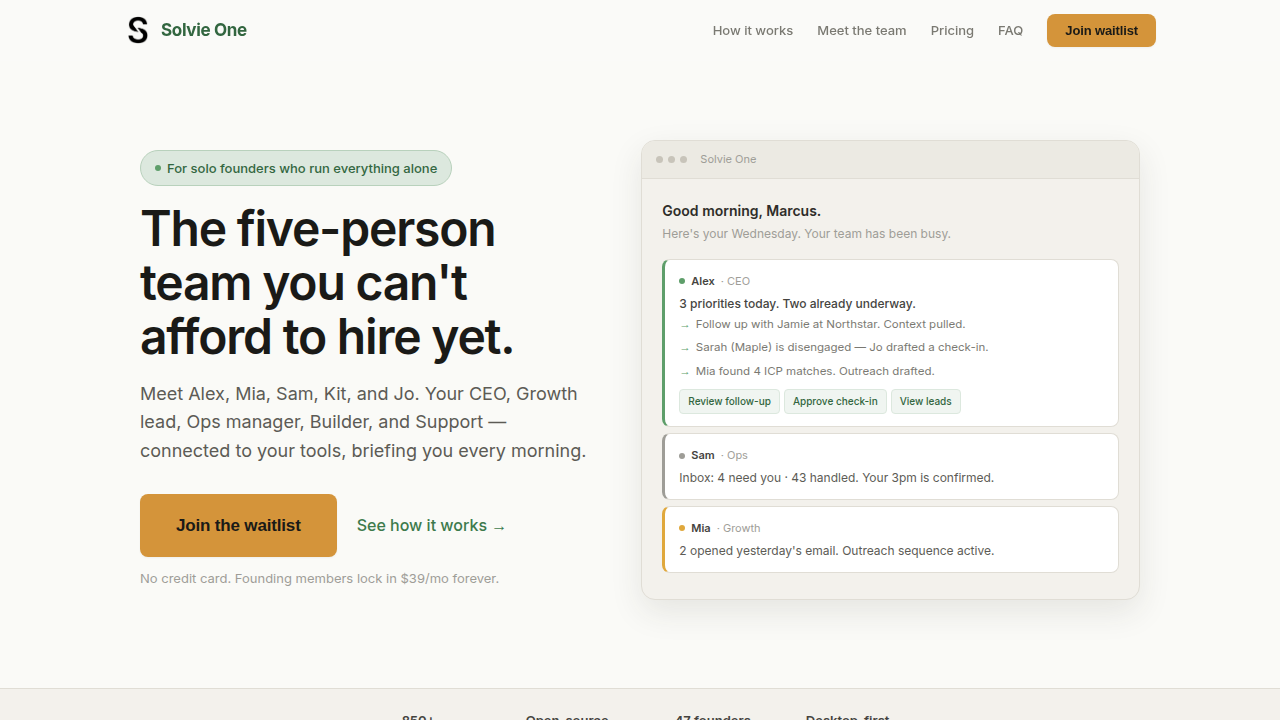
Solvie One explores a desktop-first home for five AI teammates: Alex, Mia, Sam, Kit and Jo. Different roles for the different kinds of work a founder carries.

The roles describe the product experience, not proof of five isolated agent runtimes. The desktop app is not yet available to install.

Visit the public waitlist Five teammates, or five prompts?
Solvie OnePublic waitlist page
Solvie One public waitlist page with five teammate roles and a product illustration; not the running desktop app
Public waitlist page—not a running desktop screenshot. Marketing shown inside this existing image is not a verified capability or metric.

Prototype / MVP · sample data

She drafts.
You decide.

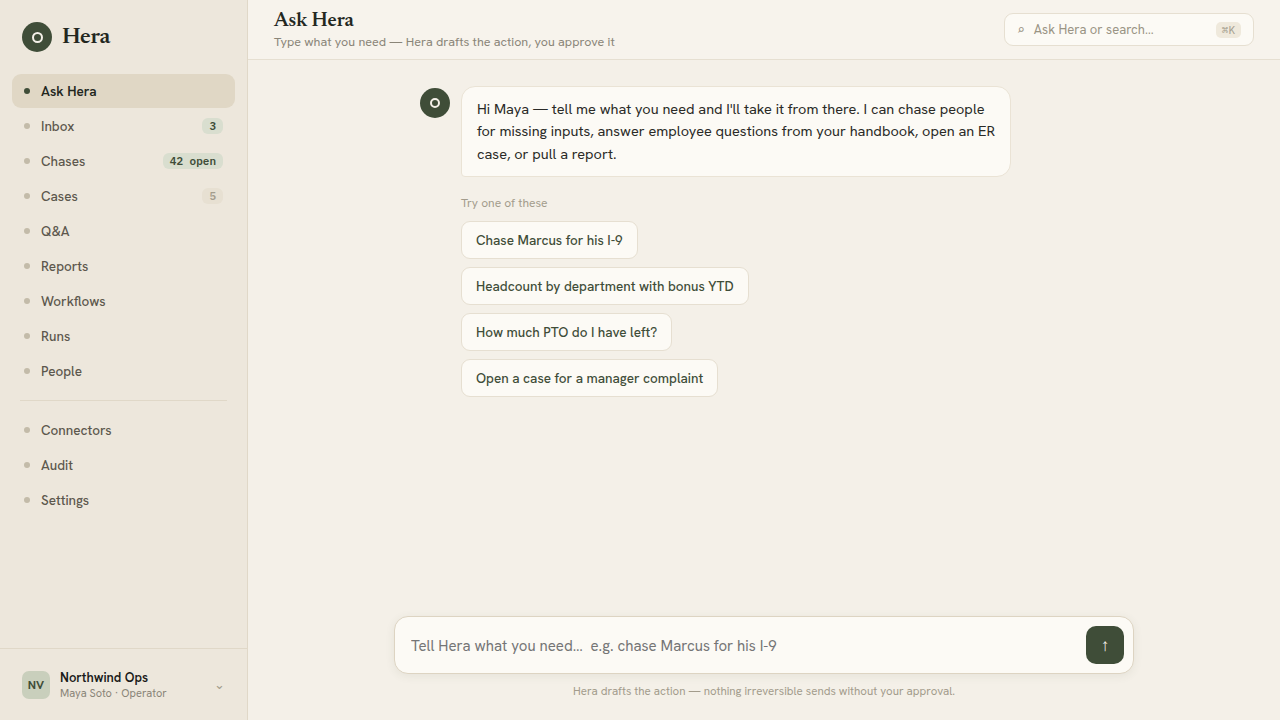
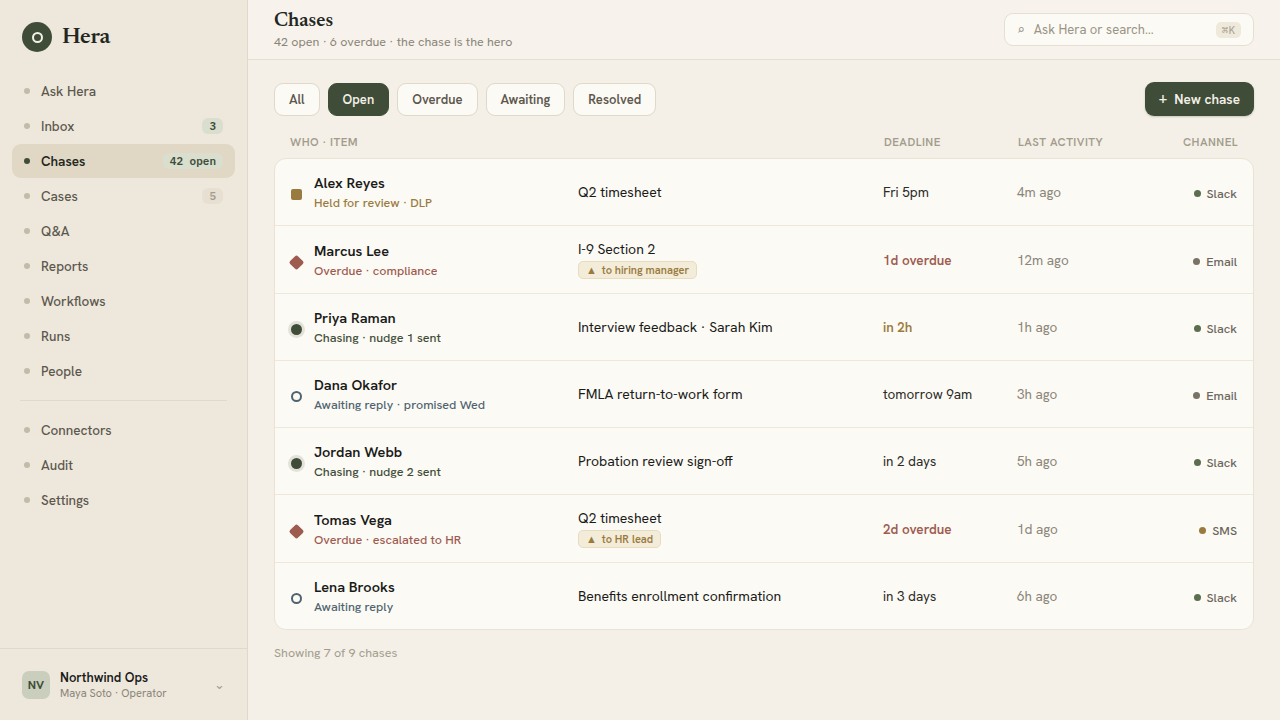
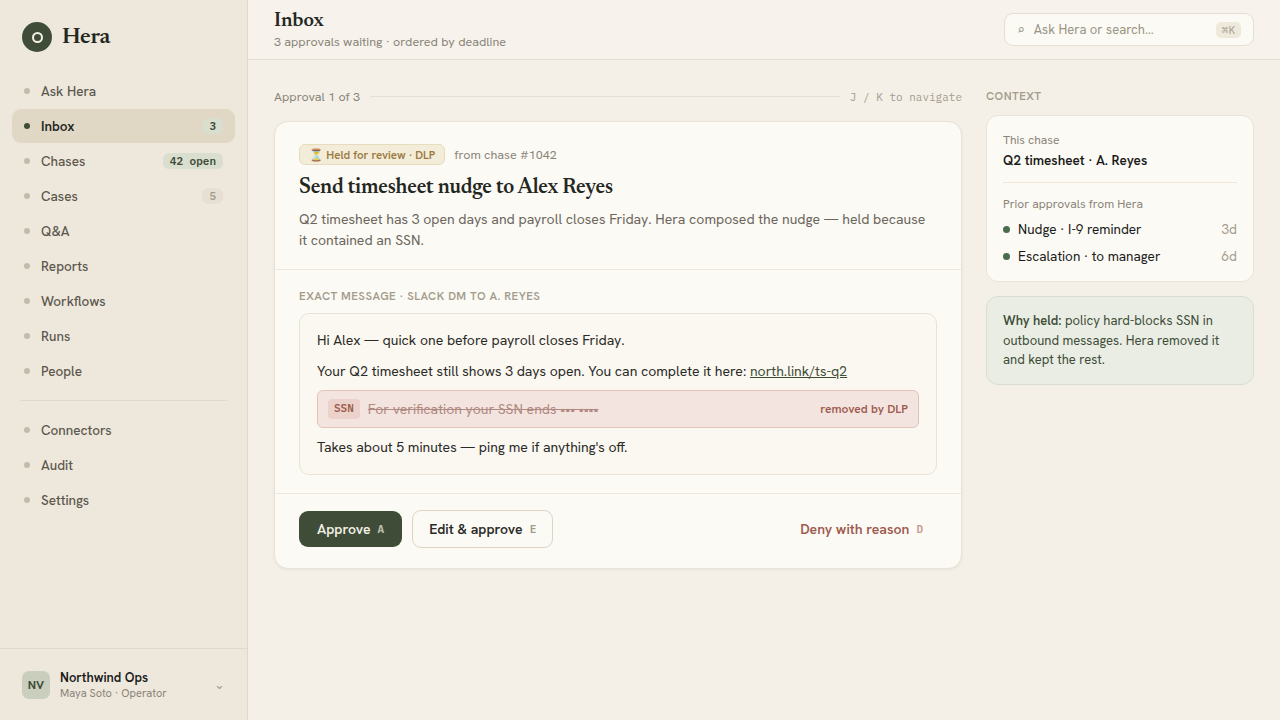
Miyaha explores HR follow-ups through Hera, an AI teammate persona. Ask for help, review a proposed message, and keep track of what still needs a reply.

The MVP shows a human approval interface. Screenshots alone do not establish an enforced backend send-boundary.

Inside the approval boundary
Miyaha / HeraInbox — approvals
Miyaha Inbox: Hera’s draft held for review, with approval, edit and deny controls; sample data
Inbox — MVP interface, sample data, Hera persona. A held draft is presented for review. Open image for full detail ↗

Research · experimentation

Learning how
to coordinate.

Our conductor-model ambition: intelligence that can decide which work to delegate, assess what comes back, and request a better answer.

This is an experimental research direction, not a shipped conductor LLM. We are not claiming a trained production model, published benchmark results or a public model release.
Talk research with us

Open research questions / Lushsoft

  1. 01 / Delegate

    What should work independently?

  2. 02 / Evaluate

    What evidence is enough?

  3. 03 / Revise

    When should a system try again?

The scene above illustrates these questions. It does not run a model.

Visit the existing product showroom

Build with us

Put better
intelligence to work.

Let’s start a conversation